
A second chance can change a life immediately, but sometimes, its full impact doesn’t become clear until years later.
When Sharnika Williams enrolled in Operation New Hope’s Ready4Work program in 2010, she was beginning the difficult process of rebuilding her life after incarceration. She was navigating the stigma of having a record, searching for employment, and rebuilding the confidence she needed to move forward. Sixteen years later, Sharnika still carries lessons from Ready4Work with her as she builds a future dedicated to advocacy, education, and justice.
For Sharnika, the support she received when she first returned home helped establish a foundation for what came next. “The Ready4Work program played a major role in my rehabilitation and reentry,” she said.
She remembers the compassion she experienced from the moment she entered the program. Rather than feeling defined by her charges or past decisions, Sharnika found people focused on helping her determine what came next. Her case manager made a particularly lasting impression. As a formerly incarcerated, college-educated woman herself, she became someone Sharnika could look to during moments of self-doubt.
Sharnika shared that she still references notes she took during Ready4Work’s Career Development classes, particularly reminders not to allow her past to prevent her from pursuing new opportunities. That perspective has helped her continue moving forward through the many “no’s” she has encountered along the way.
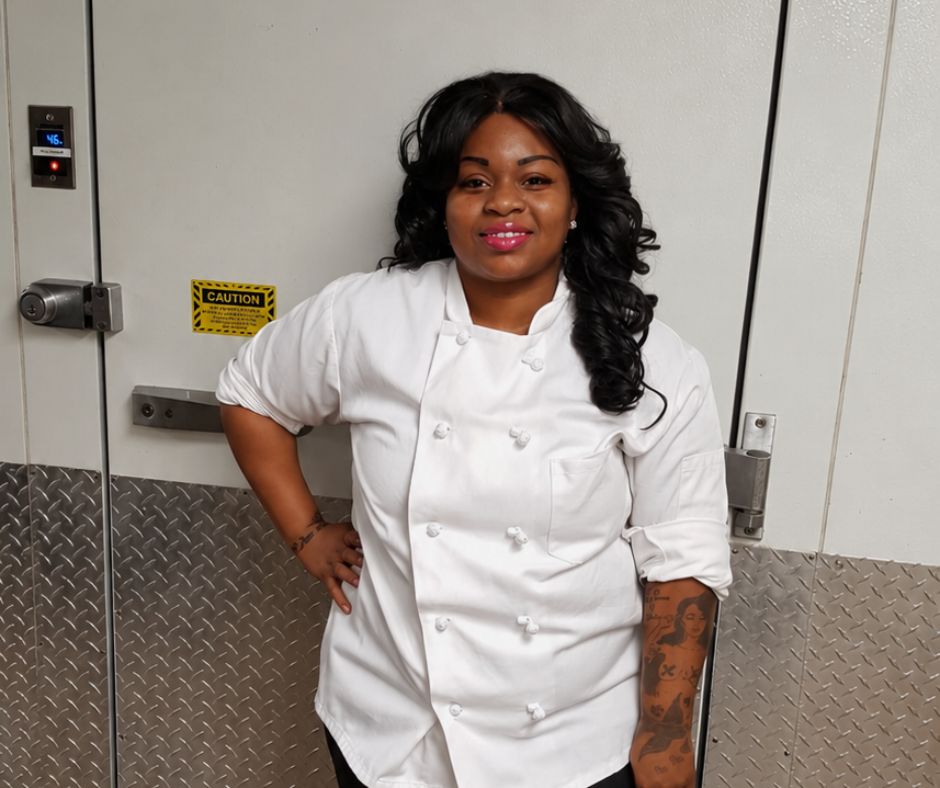
Sharnika’s journey after Ready4Work did not follow a conventional path or one confined to a single career or industry. She earned her Associate in Arts degree from Florida State College at Jacksonville, where she participated in Student Government. At one point, she dreamed of becoming a nurse, but while she was still on probation, her background prevented her from being accepted into a nursing program. Facing student loan payments and difficulty finding employment, she began selling cakes as a way to earn income.
What began as a practical response to an obstacle soon became an unexpected career path. Sharnika developed her skills as a baker, attended the Art Institute of Fort Lauderdale, traveled, competed in baking competitions, and even appeared on Food Network. She found the culinary industry to be a space where her past did not present the same barriers she had encountered elsewhere.
The experience taught Sharnika the value of being adaptable and willing to reevaluate her goals. Changing direction, she learned, does not mean giving up on success. Sometimes, a pivot can open the door to opportunities you never anticipated.
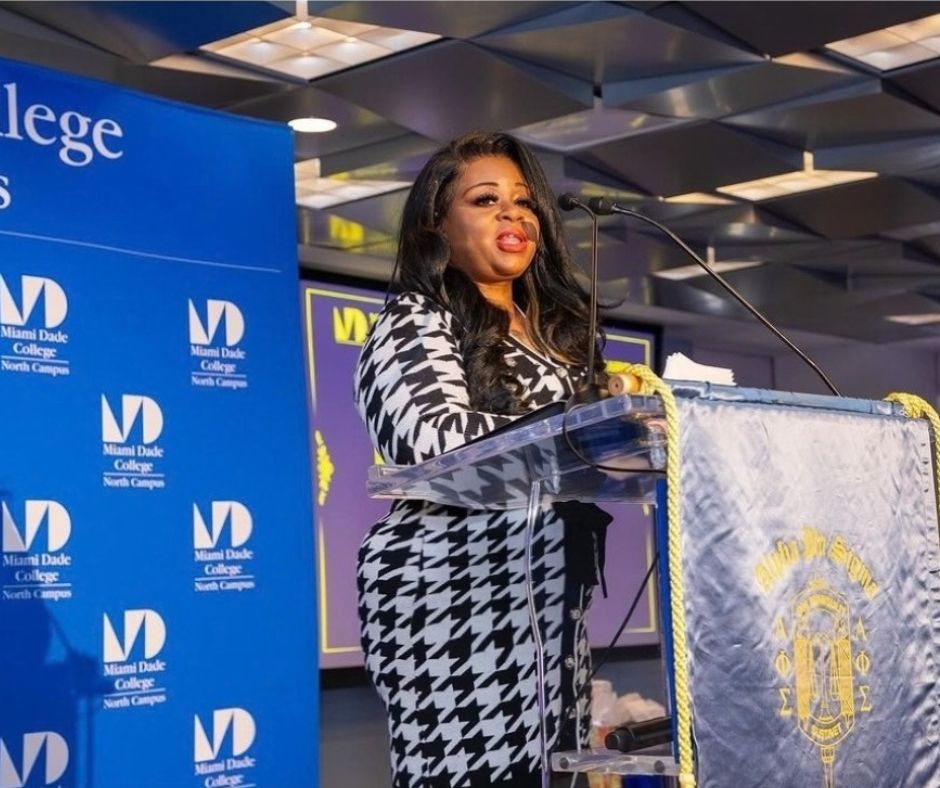
Eventually, Sharnika’s path led her back to school and toward a new calling. Inspired by her lived experiences and a desire to create change, she recently earned a bachelor’s degree in criminal justice from Miami Dade College.
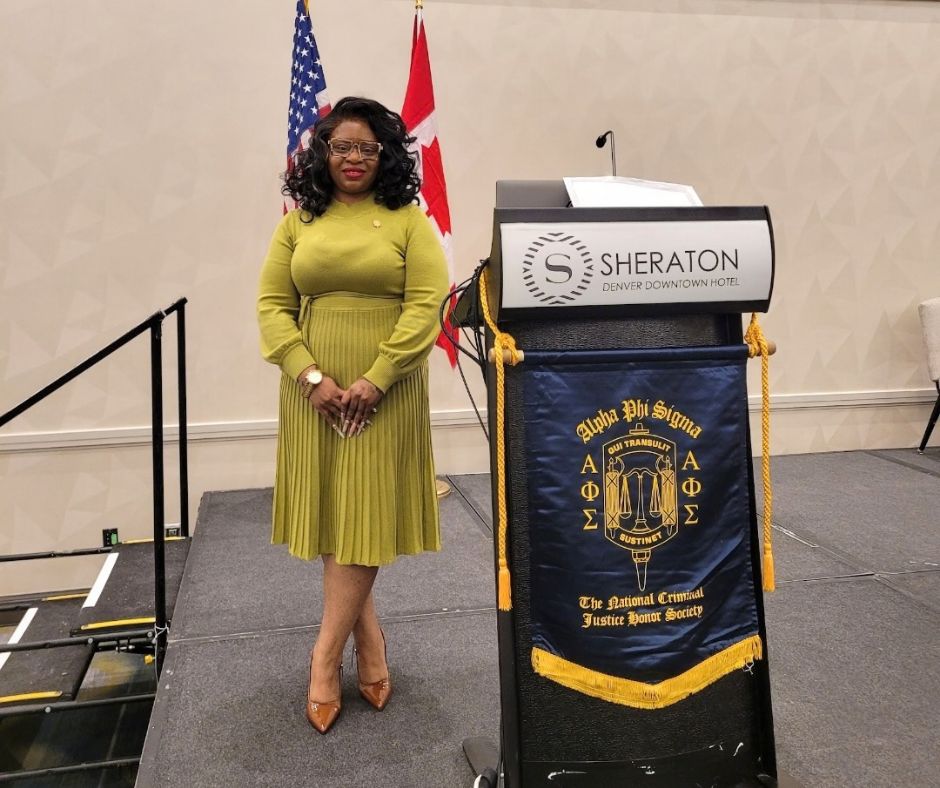
While pursuing her undergraduate degree, she joined Alpha Phi Sigma, the National Criminal Justice Honor Society, where she was elected to its 2025–2026 presidential slate. In 2026, she helped host the organization’s annual national conference in Philadelphia, bringing together students from colleges and universities across the United States and Canada to discuss critical issues facing the justice system.
Now, Sharnika is preparing for another milestone. This winter, she plans to begin graduate studies in criminal justice law at Nova Southeastern University as she works toward her long-term goal of becoming a criminal defense attorney and civil rights advocate.
Sharnika’s own experiences navigating reentry have become part of what motivates her to pursue a career in justice. While she has seen progress in how some employers consider applicants with criminal records, she continues to encounter barriers, particularly in housing and employment within the criminal justice field.
“My journey has not been easy, but it has been purposeful,” she said. “Every challenge has shaped the leader I am today, and every opportunity has strengthened my commitment to ensuring that hope, education, and second chances remain accessible to all.”
Beyond becoming an attorney, Sharnika hopes to advocate for restorative justice, expand educational opportunities within correctional facilities, support rehabilitation and reentry initiatives, and eventually establish a nonprofit organization of her own.
Looking toward the future, she says, “I would like to see a strong network of rehabilitation programs like Ready4Work in every major city that build upon reentry, education, and better access to wraparound programs for formerly incarcerated individuals.”
Sharnika’s story is a reminder that successful reentry isn’t measured only by what happens in the first few weeks or months after someone returns home. Sometimes, the impact of support continues unfolding for years.
Sixteen years after walking through the doors of Operation New Hope, Sharnika has built a business, earned two college degrees, stepped into leadership roles, and continued pursuing an education that will prepare her to advocate for others. Her path has changed along the way, but through every chapter, she has continued moving forward.
Asked what she would tell the version of herself who once felt ashamed and uncertain about her future, Sharnika reflected:
“I would remind her that she carries a resilience that cannot be taken from her, and that with faith, guidance, and a village committed to her success, she will transform every setback into a stepping-stone. Therapy, education, and community will help her rebuild her confidence, reclaim her voice, and step confidently into her future.”